Final-mile operations
How final-mile delivery connects Pittsburgh-area communities.
Final-mile delivery connects a station’s work with a person or business waiting for a package. In a Pittsburgh-area operation, the local route is one part of a wider network. The details of each assignment—where it begins, which stops it includes and what instructions apply—shape the work of the day.
A local route is the final stage of a longer journey
A package can travel through several facilities before reaching the neighborhood or business where it is expected. Final-mile delivery covers the last operating stage: preparing the assigned packages, traveling to delivery locations, following the instructions and recording each outcome.
The term describes a stage of service, not a fixed radius around Pittsburgh. Routes and coverage depend on the provider’s operation and the assignment. Customers and job seekers should use the current service or position information for specific coverage details.
Preparation starts before the vehicle leaves
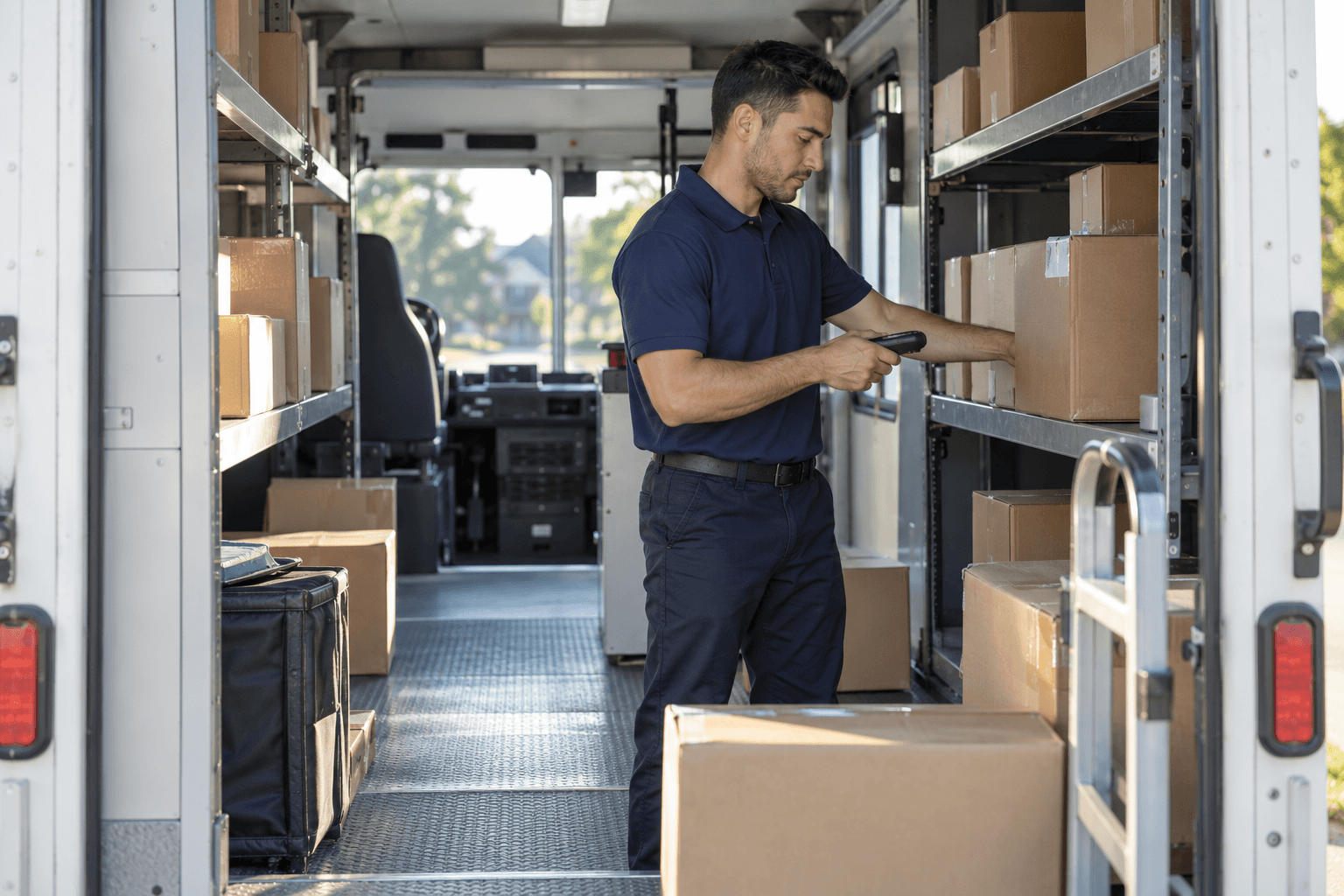
A well-planned route begins with understanding the assignment. Drivers review the route information and delivery instructions, complete the vehicle checks required for the role, and organize packages so they can be handled carefully at each stop. A clear question is easier to resolve before departure than while trying to improvise on the road.
Preparation also includes understanding how to report a change. If an address, access point or package needs attention, the driver should use the established team process and provide the information needed to make a decision.
Residential and business stops call for different details
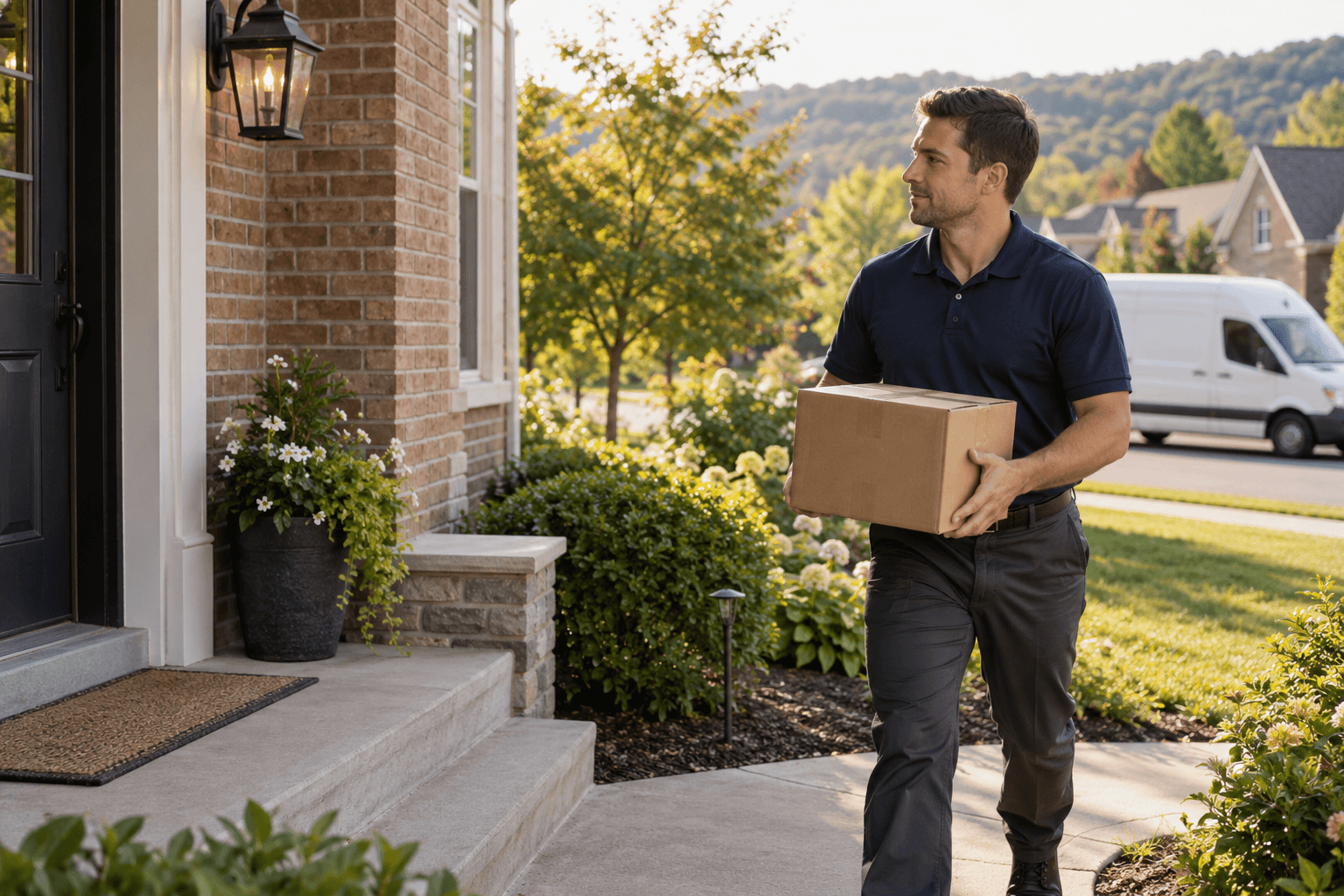
At a residence, a driver may need to notice the authorized delivery location, walkway conditions, building access and the people nearby. At a business, there may be receiving procedures, access instructions or a pickup that needs to be completed. The instructions for the specific stop guide what happens.
Familiarity with a local route can help a driver recognize where to look, but it never replaces checking the address and current directions. Respect for the property and accurate delivery records matter on familiar streets as much as on a first visit.
Traffic, access and weather can change the plan
Traffic patterns, weather and site access can affect how an assigned route progresses. Drivers should follow training and applicable safety procedures, allow time for safe decisions, and contact the team when a condition changes the work. A delivery commitment does not justify an unsafe stop or an improvised maneuver.
Local knowledge is most useful when it helps someone prepare and communicate. It should not be treated as a promise that every route serves a particular neighborhood or that every package can be delivered on a particular schedule.
Every completed stop supports the wider network
Final-mile teams connect the broader FedEx Ground network with homes and businesses in the communities they serve. Drivers, dispatch and operations share responsibility for keeping information accurate and resolving exceptions through the right channels.
The basic idea remains the same across markets: final mile is the local stage between a delivery operation and the person or business receiving a package.