
Safety & service
Vehicle readiness begins before the route
A vehicle is a working environment as well as transportation. Getting familiar with its condition, controls and reporting process helps a driver identify questions before they become part of a delivery assignment.
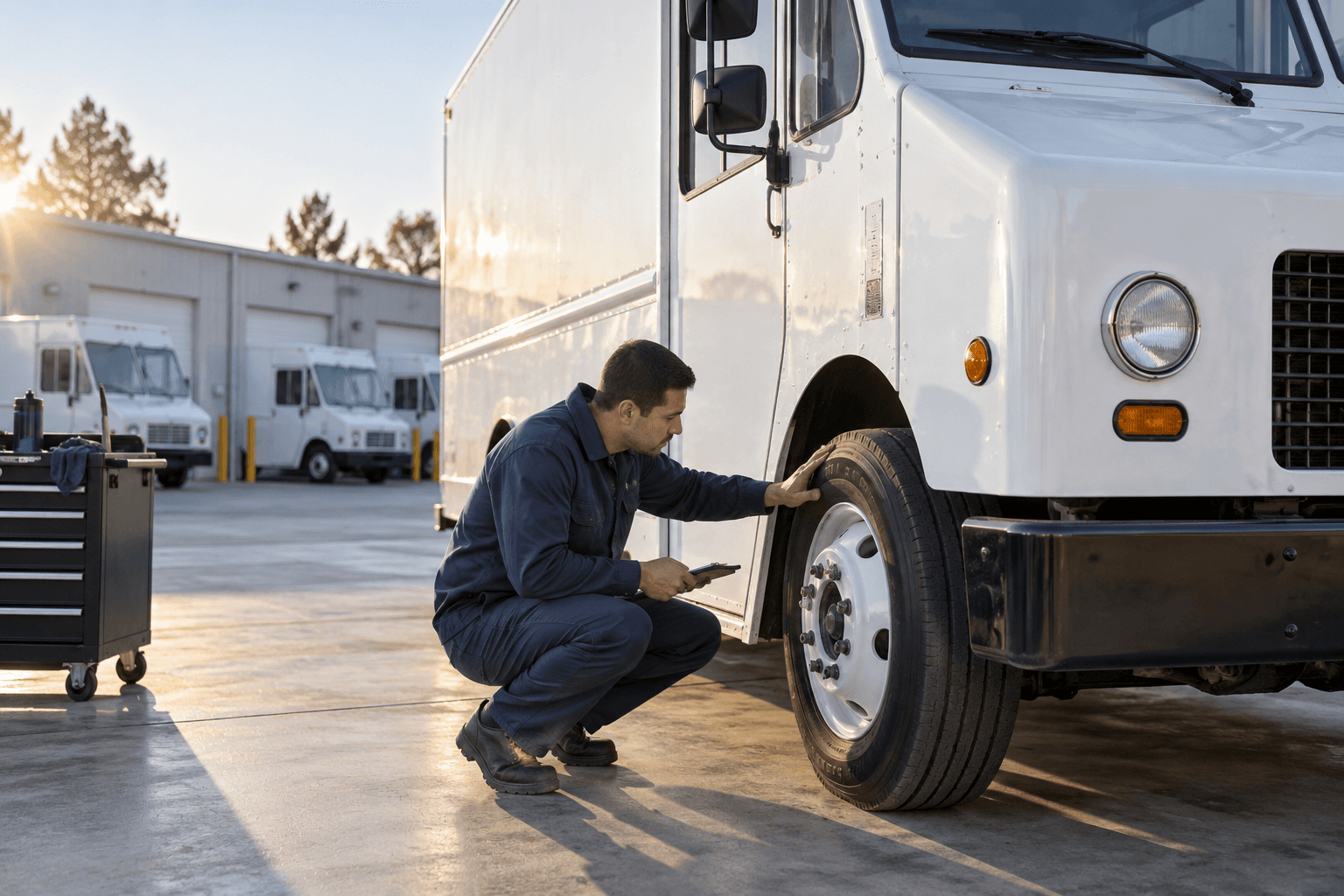
Know the vehicle you are assigned
Do not assume that every delivery vehicle has identical controls, visibility or cargo arrangements. Ask for the training that applies to the equipment you will use. Learn where the required information and supplied safety equipment are located.
Familiarity is particularly important when the assignment changes. A vehicle that looks similar can still operate differently. Take the time provided for orientation and ask about anything you have not been shown rather than learning an unfamiliar control while driving.
Use the required inspection process
Follow the vehicle checks and documentation requirements supplied for your role. This article is an introduction to the purpose of that process, not an inspection checklist or a determination that a particular vehicle is safe to use.
Ask how to record a concern and who decides the next step. Completing a form should communicate the actual condition observed. If something is unclear, identify the question instead of treating an unanswered item as acceptable by default.
Describe symptoms without guessing at repairs
A useful report explains what you observed, when it occurred and which vehicle is involved. Examples might include an unusual sound, a warning indication or visible damage. Avoid presenting a guessed diagnosis as a confirmed mechanical cause.
Use the established process for deciding whether the vehicle can be operated. Drivers should not feel compelled to improvise a repair or continue with an unresolved safety concern just to preserve the original schedule.
Make the handoff useful for the next person
At closeout, document new concerns and confirm any follow-up instructions. An issue mentioned casually may not reach the person responsible for reviewing it. The required reporting channel creates a clearer record.
For an AVP opportunity, ask which readiness checks and responsibilities apply to your personal vehicle before starting. Company equipment and personal vehicles have different arrangements, but both require understanding the expectations for the assignment.
Turn observations into better preparation
Vehicle readiness improves when drivers and fleet support exchange clear information. A recurring concern, an unfamiliar control, or a question about supplied equipment can identify a need for additional instruction. Bring those observations to the team through the established process.
Use onboarding and subsequent guidance to build familiarity with the equipment you actually operate. Keep questions specific to the vehicle and assignment. The aim is a repeatable preparation routine, supported by clear reporting and an authorized response when something needs attention.