
Delivery careers
How to prepare for a delivery-driver interview
A useful interview is a two-way conversation: the team learns how you work, and you learn whether the opportunity fits. Preparation helps you move beyond general answers and discuss the realities of the job.
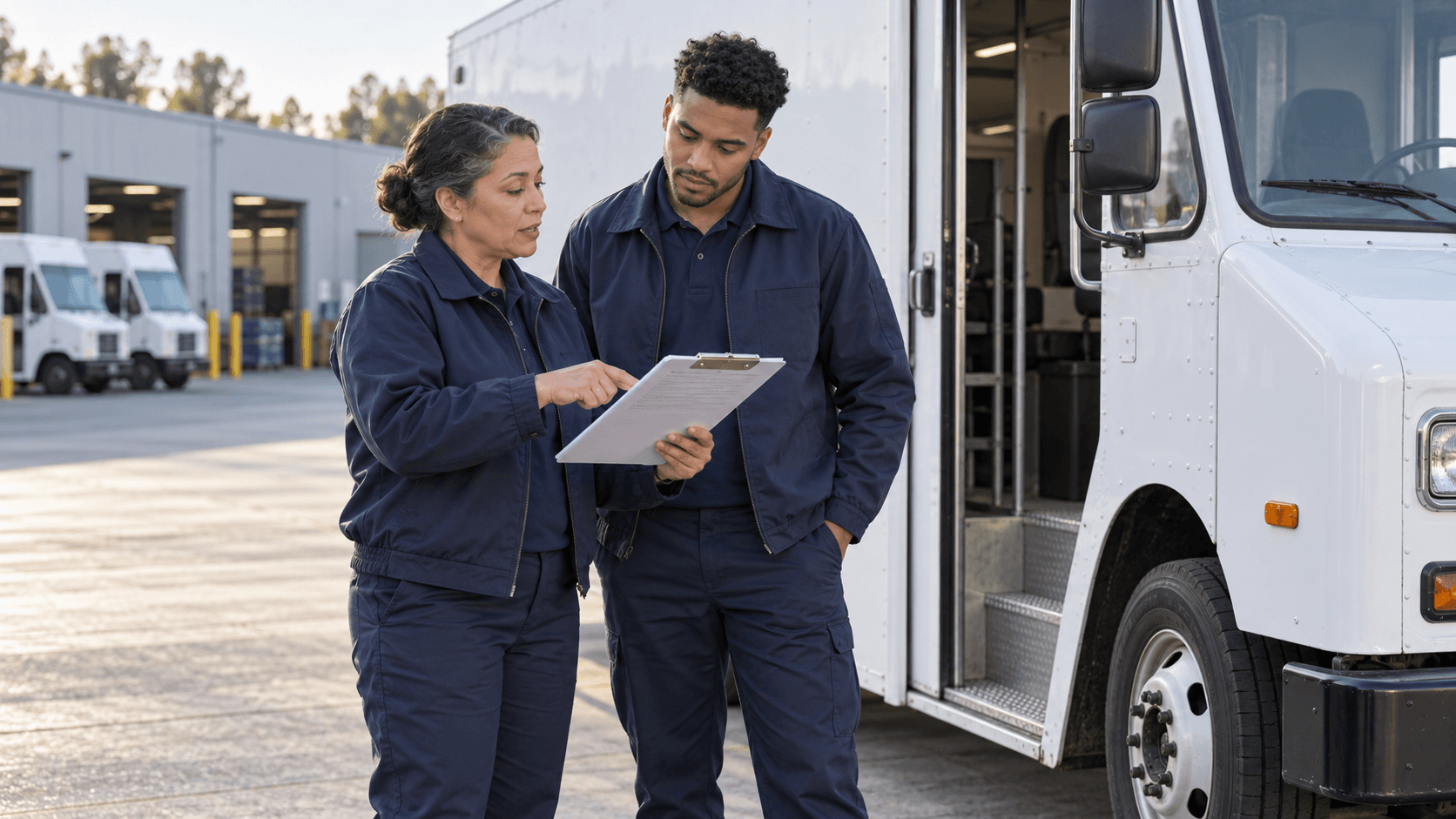
Turn experience into specific examples
Think of a time you handled a busy workload, corrected a mistake or helped a frustrated customer. Explain what happened, what you did and what changed. Experience in retail, hospitality, warehousing or another service role can give you useful examples even if delivery is new to you.
Avoid memorized claims such as “I work hard.” Describe how you organized competing priorities or followed through when something went wrong. Specific examples give the interviewer something meaningful to discuss.
Know which position you are discussing
Read the full posting before the interview. Note the location, schedule, vehicle arrangement and stated qualifications. Keep a copy of the title and any details you want clarified. Requirements from another delivery company are not a substitute for the information in this opening.
Be direct about your availability and relevant experience. If a requirement is unfamiliar, ask how it is evaluated instead of guessing that it does or does not apply to you.
Ask about the complete workday
Ask where the day starts, what preparation is expected and how the route is closed out. Discuss onboarding, equipment and the people available when a driver needs help. Understanding these details is more useful than focusing only on the time spent driving.
Ask how compensation is calculated for the specific position and which benefits, if any, apply. Clarify the expectations that would affect your decision before treating the conversation as an offer.
Leave with a clear next step
Before the interview ends, confirm who will contact you and what information you may need next. Ask which approved channel to use for documents. A name and a clear instruction are more useful than an assumption that someone will follow up.
Afterward, compare what you learned with your own priorities. Keep notes about unanswered questions. Choosing a role thoughtfully is part of starting well, especially when the schedule, physical work or commute will be new.