
Safety & service
Prepare for winter delivery driving in Western Pennsylvania.
Winter driving in Western Pennsylvania can bring changing road and weather conditions during a shift. A delivery driver’s plan should leave room to slow down, increase following distance and respond to ice or reduced visibility. PennDOT advises avoiding unnecessary travel in winter weather and taking extra care on bridges and ramps when travel is necessary.
Check the vehicle and conditions before departure
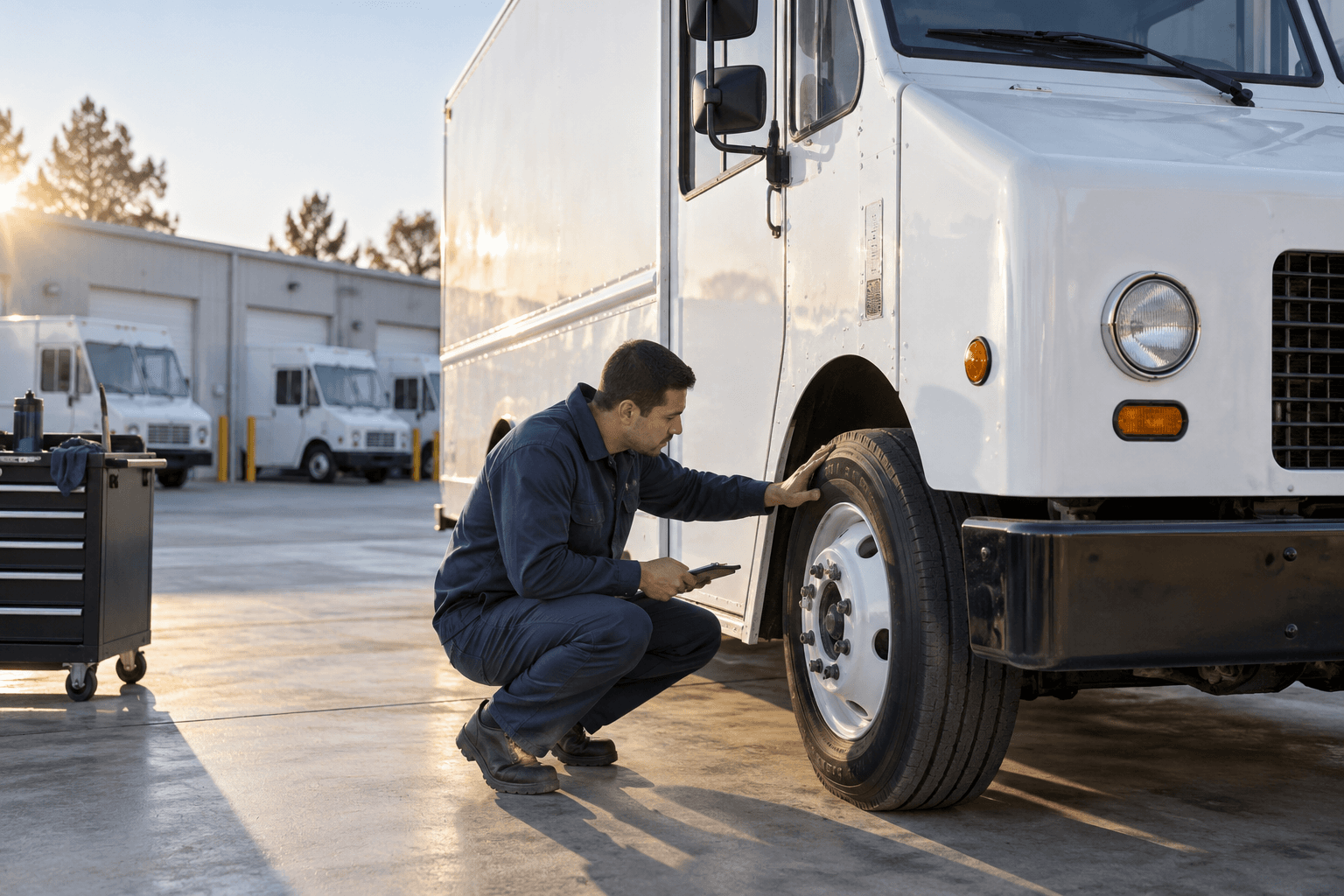
Follow the inspection and preparation steps for the assigned vehicle. Pay attention to tires, lights, wipers, washer fluid, windows and mirrors, and report a condition that needs attention before driving. Remove snow and ice from the vehicle as required; obscured glass or lights make it harder to see and be seen.
Review current weather and road information through the approved sources used by your operation. PennDOT recommends carrying a winter emergency kit and keeping the fuel tank at least half full. Follow company guidance about supplies, equipment and whether a route should proceed.
Treat bridges, ramps and shaded pavement carefully
PennDOT notes that bridges and ramps can develop ice without warning, and a surface that looks wet may be frozen. A bridge deck can cool differently from the adjacent roadway, so familiar pavement conditions do not guarantee the same traction across an elevated section.
Reduce speed before reaching a questionable area, leave more following distance and avoid sudden steering, acceleration or braking. If conditions are not safe for the vehicle or route, use the established process to stop and get guidance rather than pressing ahead.
Make room for the conditions during the shift
Snow, sleet, freezing rain, darkness and changing temperatures can affect visibility and traction. Adjust speed to what is visible and controllable, keep windows and mirrors clear, and use headlights as required. Do not use cruise control on snow-covered roads.
Leave extra room around other vehicles and avoid trying to keep a delivery pace that does not fit the road. If a snowplow is working nearby, give it space and follow PennDOT’s advice not to pass or drive between trucks plowing in a line.
Communicate early when a route becomes unsafe
Use the employer’s reporting process to describe the location, weather or road issue and the action you need to take. A precise update helps dispatch and operations understand the situation and make a safe plan. Do not use an unapproved detour or make a delivery attempt that conflicts with training or site instructions.
The route may need to pause, change or wait for conditions to improve. Follow the direction provided for the role and contact emergency services when there is an immediate threat to life or safety.
Use local experience without relying on assumptions
Drivers who work regularly in the Pittsburgh area may recognize recurring trouble spots, but conditions can change from one trip to the next. Treat previous experience as a prompt to pay attention, not as proof that a road, bridge, driveway or stopping location is safe today.
For additional guidance, check PennDOT’s current winter resources and follow the safety rules, vehicle instructions and reporting procedures that apply to your assignment. Public road advice supports preparation; it does not replace employer training or route-specific direction.
Sources and further reading
Review current guidance and follow the training and procedures provided for your role.