Safety & service
Planning Commercial Parking for a Forward Exit
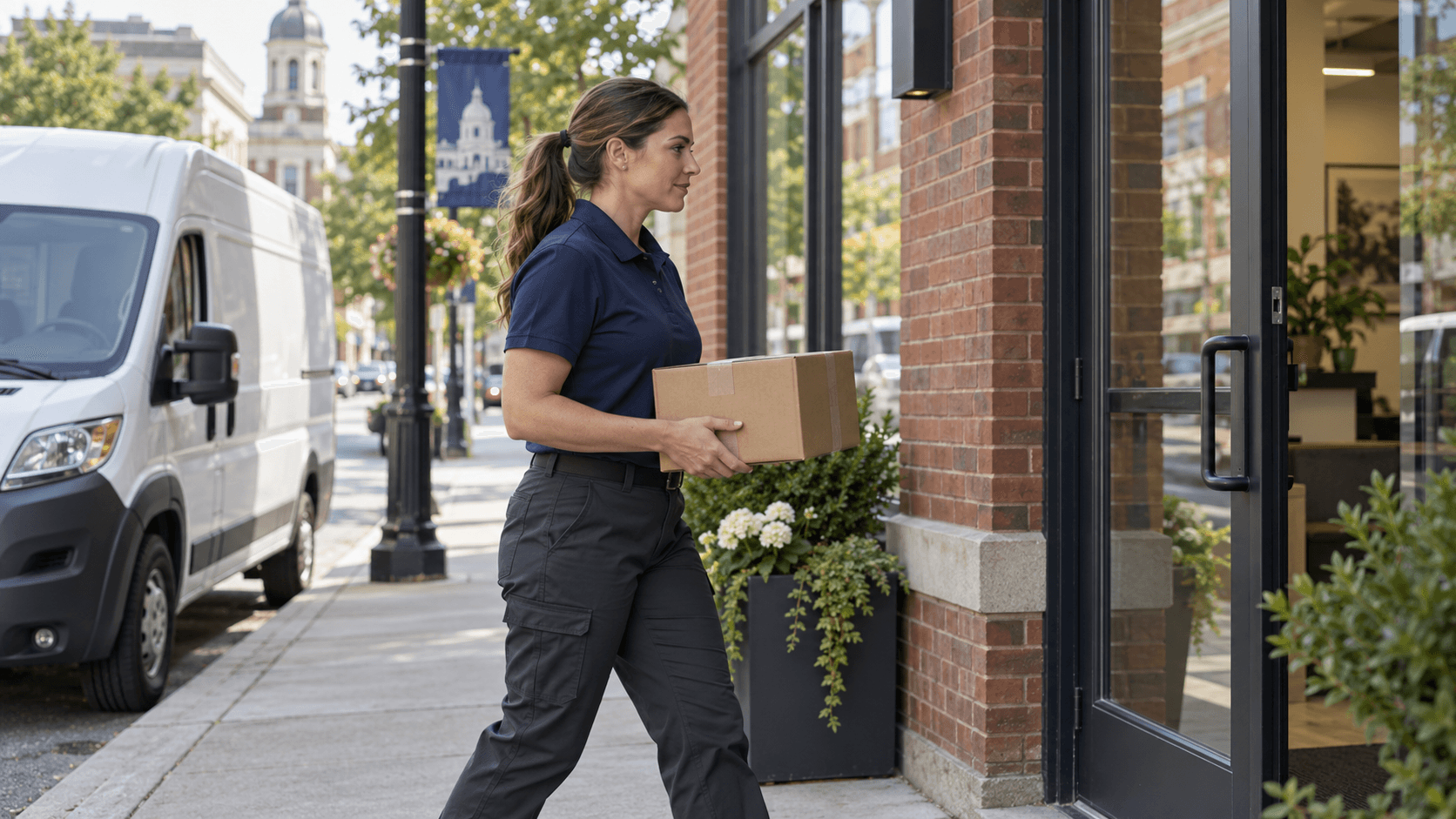
A space beside the door may save a short walk and create a difficult departure. Delivery trucks can become trapped between arriving cars, shopping carts, pedestrians, and a building wall. This commercial parking guide from Sigma Continental starts with the exit because that decision determines whether the rest of the visit will work. A forward departure should be the preferred outcome when it can be arranged safely and legally, rather than a promise to force at every location.
Step one assess the whole location
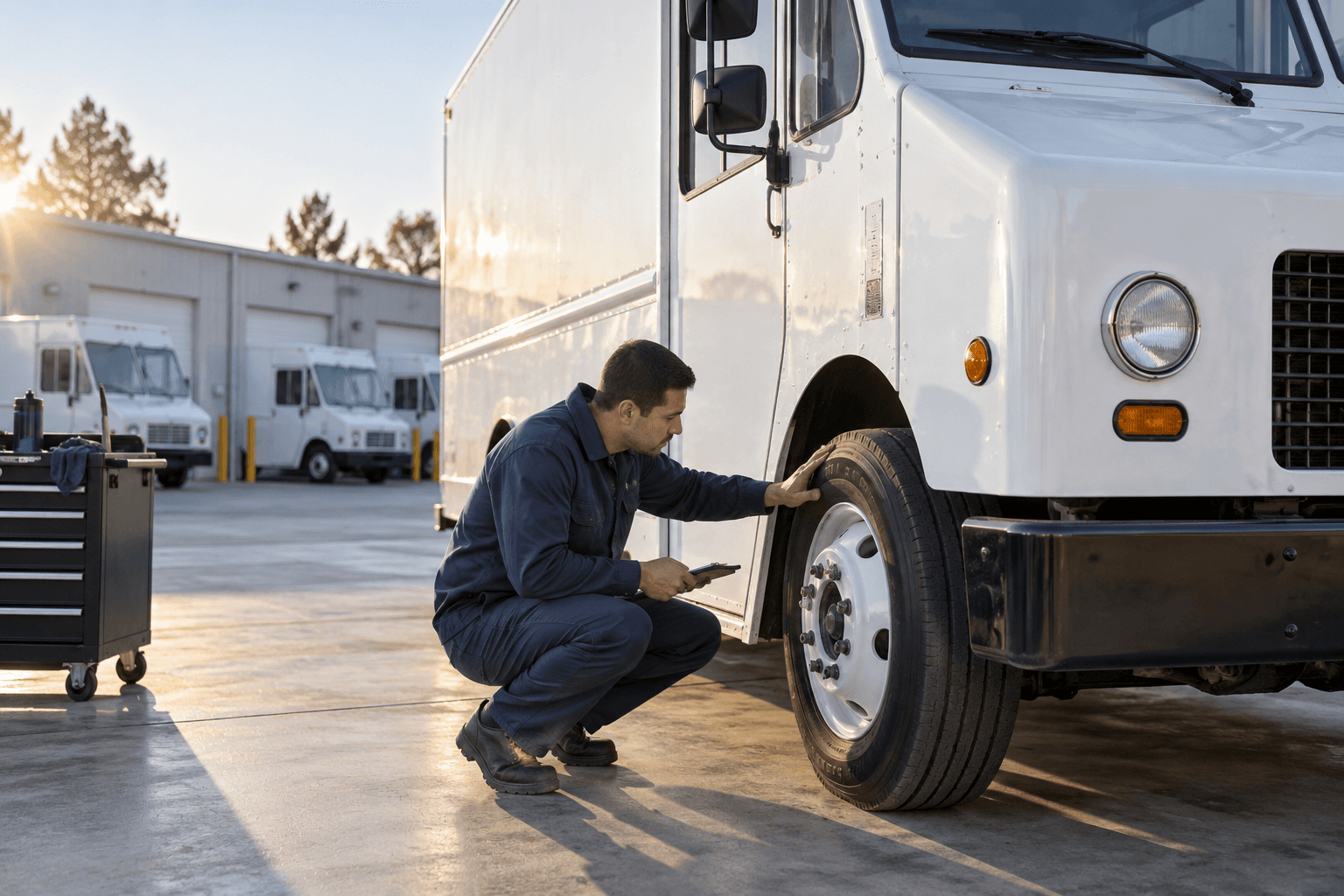
Before entering, identify the authorized delivery area, traffic direction, pedestrian routes, and possible exits. Look for height limits, restricted lanes, unstable surfaces, and tight corners. Assess whether the truck can move through the site without needing an unsafe reverse. FMCSA recommends reviewing unfamiliar routes and being alert to limitations that navigation alone may not explain.1
If the view is incomplete, stop in a suitable place and investigate through the approved process. A customer can explain the designated entrance, but their reassurance does not establish clearance for your particular vehicle. Confirm the physical path yourself, and contact dispatch when access remains uncertain or the designated area is blocked.
Step two position for the departure
Where the layout permits, follow a legal circulation path around the lot and stop with the truck oriented toward the exit. A pull-through position can eliminate a reversing movement. Commercial driver guidance recommends avoiding backing when possible and choosing parking that permits a forward departure.2 The useful sequence is to evaluate, position, and then complete the delivery.
Do not create a wide loop through occupied spaces merely to point toward the exit. Respect one-way arrows, loading restrictions, accessible spaces and access aisles, fire lanes, and pedestrian areas. Leave adequate clearance for doors, mirrors, and the truck's eventual turn. If a safe forward-exit arrangement is unavailable, use the site's approved alternative or seek assistance.
Step three check the site again before moving
The parking lot can change while the driver is inside. A car may have stopped beside the truck, a pallet may have been placed in the path, or a person may be walking close to the bumper. Inspect the surrounding area before departure, secure cargo and doors, enter safely, and scan again from the driving position.
Leave slowly enough to keep observing the exit path and the sides of the vehicle. Forward travel improves the view in the direction of movement, but it does not eliminate blind areas. Check for people crossing between parked cars and for traffic entering from a side aisle. Yield rather than assuming your earlier plan still has priority.
Make the next visit easier
Useful parking notes describe the recommended entrance, designated delivery area, legal circulation pattern, and any recurring obstruction. Include the conditions that would make the preferred plan unsuitable. A route note that says to use the far entrance is incomplete if that entrance is sometimes locked or cannot accommodate the truck assigned that day.
A parking plan should remain useful through the whole visit, even after other vehicles arrive. For a delivery driver, success is not simply reaching the closest door. It is completing the service without trapping the truck or placing people behind a moving vehicle. A few deliberate observations before parking can remove a much more complicated maneuver later.
Sources and further reading
Review current guidance and follow the training and procedures provided for your role.
- Original Safety Articles collection
- Federal Motor Carrier Safety Administration — CMV Driving Tips Unfamiliar Roadway
- Georgia Department of Driver Services — Commercial Driver Manual Section 2 Point 2 Basic Control